Introducing the Intricacies of Style and Manufacturing at a Metal Foundry
The layout and production procedures at a metal foundry involve a series of complex actions. Each phase, from picking raw products to melting and casting, plays a vital duty in the last item. Metal Casting. Accuracy and quality assurance are critical in this market. As technology breakthroughs, brand-new innovations are arising. These developments might redefine standard techniques. What implications do these changes hold for the future of metal foundries?
The Melting Process: Transforming Raw Products Into Fluid Metal
The melting process works as the critical initial step in changing raw materials right into liquid steel, a procedure necessary for foundry procedures. This phase starts with the careful option of metals, which might include copper, aluminum, or iron, depending on the preferred last item. Each material is examined for pureness and make-up to ensure perfect melting conditions.
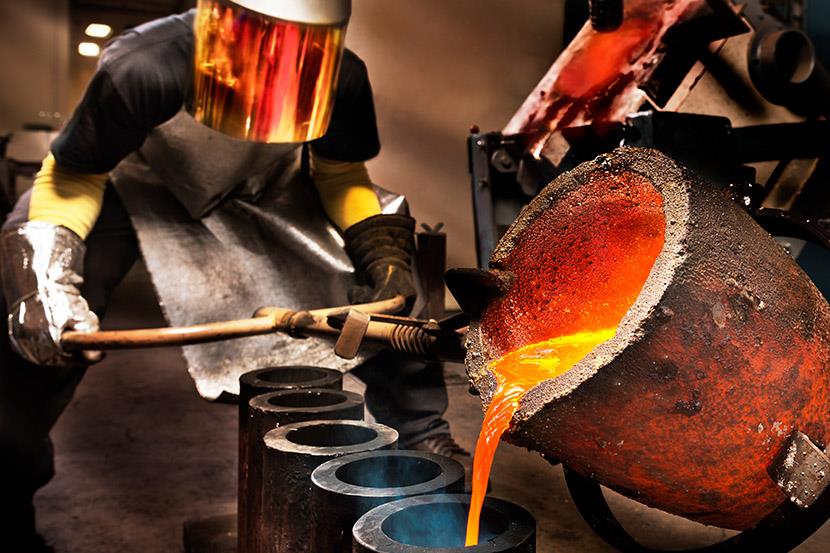
As the steels reach their melting point, they convert from solid to fluid, allowing for more improvement. This procedure can also consist of the elimination of contaminations through slag formation, assuring the quality of the liquid metal. Inevitably, the effective completion of the melting process lays the structure for subsequent metalworking procedures.
Molding Strategies: Shaping Metal With Accuracy
Adhering to the melting procedure, the following phase in metal foundry procedures entails molding techniques that form the fluid steel right into preferred kinds. Different approaches are used, each chosen based on the certain requirements of the job. Sand spreading, among one of the most typical strategies, utilizes a mix of sand and binder to produce molds that can be conveniently formed and recycled. Another method, investment casting, involves producing a wax pattern that is coated in a ceramic shell, enabling intricate layouts and high accuracy.
Pass away spreading, on the other hand, uses high-pressure to inject molten metal into steel mold and mildews, resulting in consistent and long lasting items. Furthermore, the choice of molding technique impacts the cooling rate, surface coating, and dimensional accuracy of the end product. Subsequently, recognizing these methods is essential for optimizing layout and ensuring the successful production of metal elements customized to certain applications.
Casting Methods: From Model to Manufacturing
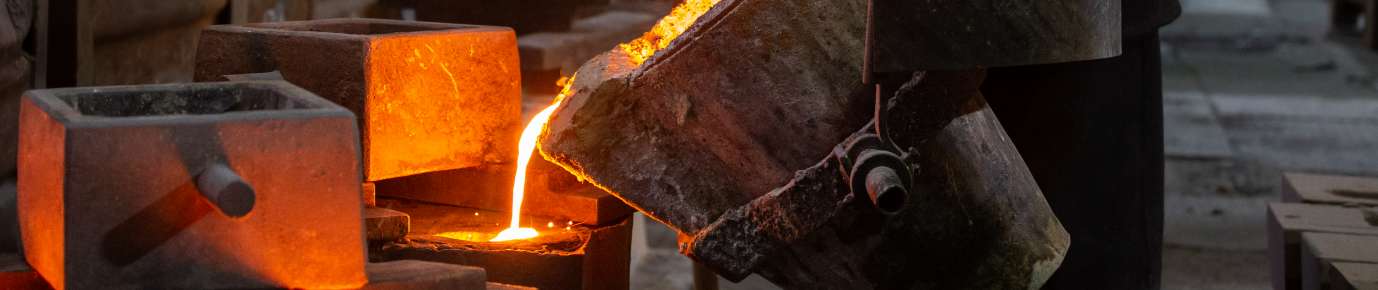
Many spreading methods are used in metal shops to move from prototype growth to major production. Amongst these techniques, sand casting attracts attention for its flexibility and cost-effectiveness, making it excellent for both little and huge production runs. Financial investment casting, understood for its precision, is frequently made use of for complicated geometries, allowing for great information in the end product. Pass away spreading, suitable for high-volume manufacturing, makes use of liquified metal infused right into molds, supplying outstanding surface coating and dimensional accuracy.
Quality Assurance: Making Certain Quality in Every Pour
While the casting procedure can differ substantially in between methods, maintaining strenuous quality assurance is vital to ascertain that every pour fulfills the called for standards. Quality assurance in a metal foundry includes a collection of systematic checks and assessments designed to identify defects early in the production procedure. This consists of careful inspections of raw products, tracking of melting temperature levels, and evaluations of mold integrity.
Foundry personnel use various testing techniques, such as non-destructive screening and dimensional verification, to ascertain that spreadings attain preferred specifications. Furthermore, adherence to developed market standards and certifications enhances the dependability of the end product.
Responses loops are likewise crucial; any type of disparities Metal Casting noted throughout quality analyses are assessed to refine processes and minimize future errors. Ultimately, a society of high quality guarantee fosters not only consumer satisfaction however additionally a track record for quality in the affordable landscape of steel production.
Developments and Technologies: The Future of Metal Foundries
The landscape of steel shops is swiftly progressing, driven by improvements in technology and cutting-edge methods. Automation and robotics are transforming standard operations, boosting efficiency and accuracy throughout manufacturing. Automated putting systems and robot arms lower human error, leading to better results. Furthermore, the combination of fabricated knowledge is making it possible for anticipating maintenance, optimizing equipment efficiency, and decreasing downtime.
Additive production is becoming a game-changer, enabling quick prototyping and the production of complex geometries that were formerly unattainable. This technology assists in the customization of steel parts, providing to certain client demands without significant time delays.
Sustainability is additionally a key focus, with factories taking on greener practices, such as recycling scrap metal and using energy-efficient furnaces. These developments not only boost efficiency however likewise straighten with international initiatives in the direction of eco responsible manufacturing, making certain the future of metal shops continues to be affordable and robust in a transforming industrial landscape.
Frequently Asked Concerns
What Types of Metals Are Commonly Used in Foundries?
Typical steels used in shops include light weight aluminum, cast iron, brass, steel, and bronze (Aluminum Casting). Each steel has unique properties, making them suitable for numerous applications in industries such as vehicle, aerospace, and building, to name a few
Exactly How Do Shops Take Care Of Waste and Environmental Impact?
Factories take care of waste and ecological impact by applying reusing programs, using advanced purification systems, and sticking to stringent regulatory standards. They often purchase lasting innovations to decrease emissions and promote responsible source use throughout their operations.
What Security Steps Are in Area for Employees?
Foundries execute different safety and security measures for workers, consisting of personal safety devices, correct air flow systems, normal security training, emergency reaction protocols, and strict adherence to occupational health and wellness policies to reduce risks connected with harmful materials and tools.
How much time Does the Entire Production Refine Commonly Take?
The entire manufacturing procedure generally takes several weeks, depending on the complexity of the layout and the products made use of. Variables such as mold and mildew prep work, melting, and cooling time substantially affect the total period of production.
What Are the Main Challenges Dealt With by Metal Foundries Today?
Metal factories today face difficulties such as increasing material costs, changing need, environmental guidelines, knowledgeable labor scarcities, and maintaining top quality control. These problems complicate manufacturing effectiveness and success in an increasingly open market.
The design and manufacturing processes at a metal foundry entail a collection of elaborate steps. The melting procedure serves as the vital first action in transforming raw products into liquid steel, a treatment necessary for foundry operations. Adhering to the melting process, the following phase in steel foundry procedures involves molding strategies that shape the fluid metal right into preferred forms. Numerous casting techniques are used in metal factories to shift from model development to full-scale manufacturing. Quality control in a metal foundry includes a series of systematic checks and evaluations developed to recognize issues early in the production process.
Comments on “Expert insight to choosing the right Aluminum Foundry for your production needs”